
Yes, HIIT is worth it after 40, as one layer of a plan rather than the whole plan. The research on intervals is genuinely good: two recent meta-analyses found high-intensity interval training improves aerobic fitness in older adults, a little more than other exercise does. The same research is just as clear that intervals do not build strength better than other exercise, and muscle is the thing you lose quietly every year from your mid-30s on. Here is what HIIT does well, where some popular versions add risk, and how to layer hard intervals on top of a strength base, with a coach making sure the intensity is earned.
What does HIIT do well after 40?
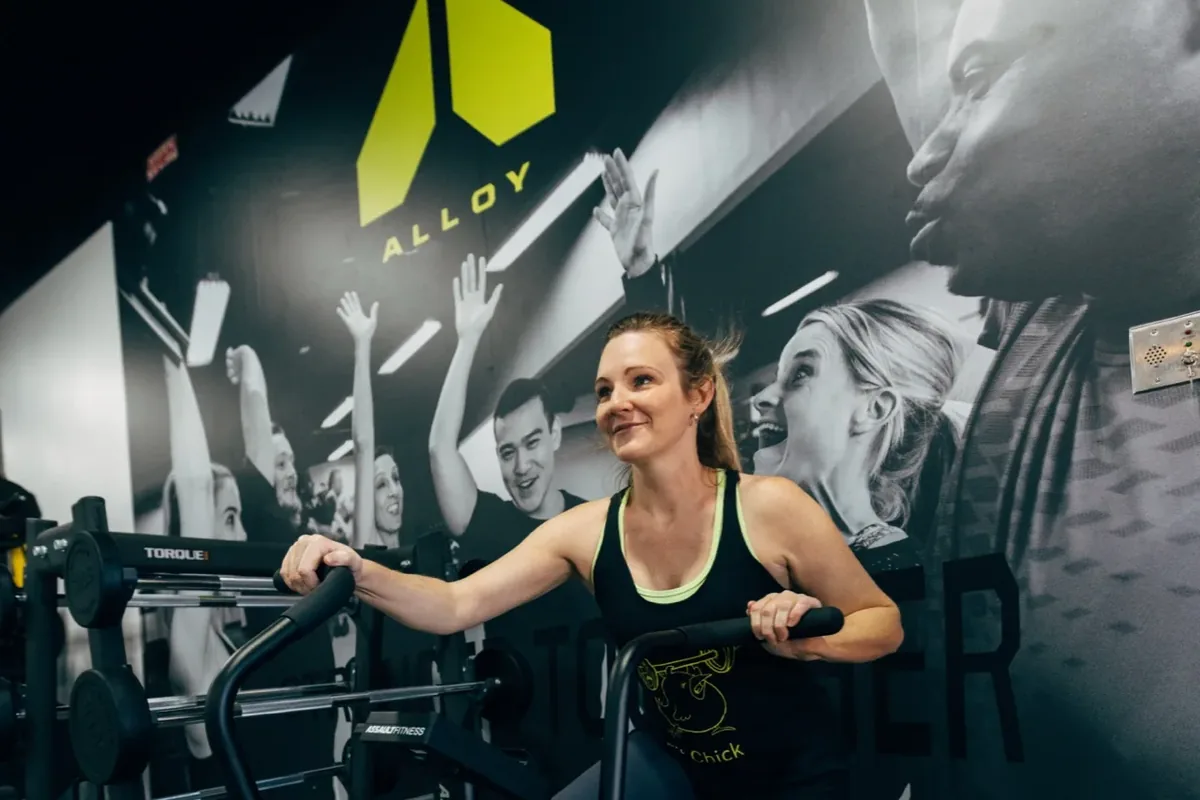
It builds aerobic fitness, and the evidence behind that is solid. A 2026 meta-analysis in the journal Medicine pooled 7 studies and 610 healthy older adults and compared interval training head-to-head with moderate-intensity continuous training, the steady walk, jog, or ride most people think of as cardio. HIIT improved VO2max, the standard measure of aerobic capacity, by 1.17 mL/kg/min more than steady training did. Both approaches helped on their own, with mean differences of 1.62 mL/kg/min for HIIT and 1.22 mL/kg/min for moderate training.
A second, larger review points the same way. A 2024 meta-analysis in Sports Medicine – Open, covering 44 studies and 1,863 participants aged 60.5 to 81.2, found HIIT improved cardiorespiratory fitness more than other forms of exercise. The edge was modest, an effect size of g = 0.23, but it lines up with the head-to-head results above. If you like working hard in short bursts, intervals are an efficient way to build a bigger engine.
Why can't intervals be the whole plan after 40?
Because the same research that credits HIIT for aerobic fitness tells a different story on strength. In the 2024 review, interval training did improve muscular strength compared with doing nothing (g = 0.47), which is good news for anyone starting from little or no training. Compared with other exercise, though, HIIT showed no significant strength advantage. Intervals can make an inactive person stronger. They are not designed to be a strength program.
That gap matters more every year. According to a Harvard Health article on age and muscle loss, the decline starts around age 35 at 1–2% a year and accelerates to about 3% a year after 60, and adults who don't strength train lose about 4–6 pounds of muscle per decade. Muscle is what lets you carry groceries up the stairs, get up off the floor without a second thought, and keep playing the sports you enjoy. The tool built for keeping it is resistance training that progresses over time.
That sets the order of operations. After 40, strength is the base layer and intervals are a useful layer on top of it. Our page on strength training for adults over 40 covers how that base gets built.
Is your interval class actually HIIT?
Sometimes, and sometimes it is a different workout using the same name. In a 2024 FoundMyFitness interview, McMaster University researcher Martin Gibala described interval training as hard efforts, around 80% of maximum heart rate, alternated with genuine recovery. All-out effort every minute is one variant of that idea, not the definition.
The distinction shows up in a real room. Structured intervals have a shape: a hard effort, a real rest, repeat, with the total amount of hard work planned in advance. Some commercial interval formats run closer to a continuous grind, with short breaks, quick transitions, and a clock that rewards speed. That can be a tough, enjoyable hour. It is also a different stimulus from the one Gibala describes, and the fatigue tends to pile up where form breaks down first: the last fast reps of a set, done against the clock.
Why does intensity need an on-ramp?
Because the injury numbers in high-intensity group training are worst for beginners. A 2016 study by Aune and Powers in Sports Health included 247 participants. In the studied extreme-conditioning group programs, 34% of participants sustained an injury, at an overall rate of 2.71 injuries per 1,000 training hours. Members with less than six months of experience were injured at 6.34 per 1,000 hours, 2.5 times the rate of experienced members.
Two honest caveats. The study is ten years old, though it remains a standard reference on the question. And it describes extreme-conditioning programs specifically, not interval training in general; walking and bike intervals are low-risk ways to work hard. The useful lesson is about timing: build intensity gradually, and treat the first six months as the stretch where coached progression matters most. For adults over 40 returning to hard training, that on-ramp is where a coach earns their keep.
How do strength and intervals fit together?
They fit together well. A 2022 meta-analysis in Sports Medicine of 15 randomized controlled trials and 566 participants aged 50 to 73 found that combined strength and endurance training improved both strength (SMD 0.74) and cardiorespiratory endurance (SMD 0.48). Those gains were measured against passive control groups, people who were not training, so the finding is that combining works, not that it beats either approach alone. For adults who want to be strong and fit, that is the practical answer: you do not have to pick one.
A strength-first week after 40 might look like this:
- Two or three coached strength sessions. The base: squats, hinges, pushes, and pulls, with loads that progress in planned steps.
- One or two short interval sessions. Faster-slower intervals on a Pheasant Branch trail walk, or hard-easy repeats on a ride out the Military Ridge trail. Hard enough that talking gets difficult, with real recovery between rounds.
- Easy movement on the other days. Walks, easy rides, and mobility work.
Build the base first, and add intervals once the main lifts feel solid under load. Let recovery decide how many hard days a week you can absorb. Most members notice improvements in energy, strength, and confidence within the first few weeks; body-composition change typically shows over 8–12 weeks, and long-term results come from consistency.
Key Takeaway
HIIT earns its reputation for building aerobic fitness, with a real if modest edge over other training in older adults. It does not beat other exercise for strength, and muscle loss adds up every year from your mid-30s on. Build strength first, add intervals as a layer on top, and ramp intensity gradually; in the studied extreme-conditioning group programs, members with under six months of experience were injured at 2.5 times the rate of experienced members. And supervised interval training gets done far more consistently than unsupervised.
Why does a coach in the room matter for hard work?
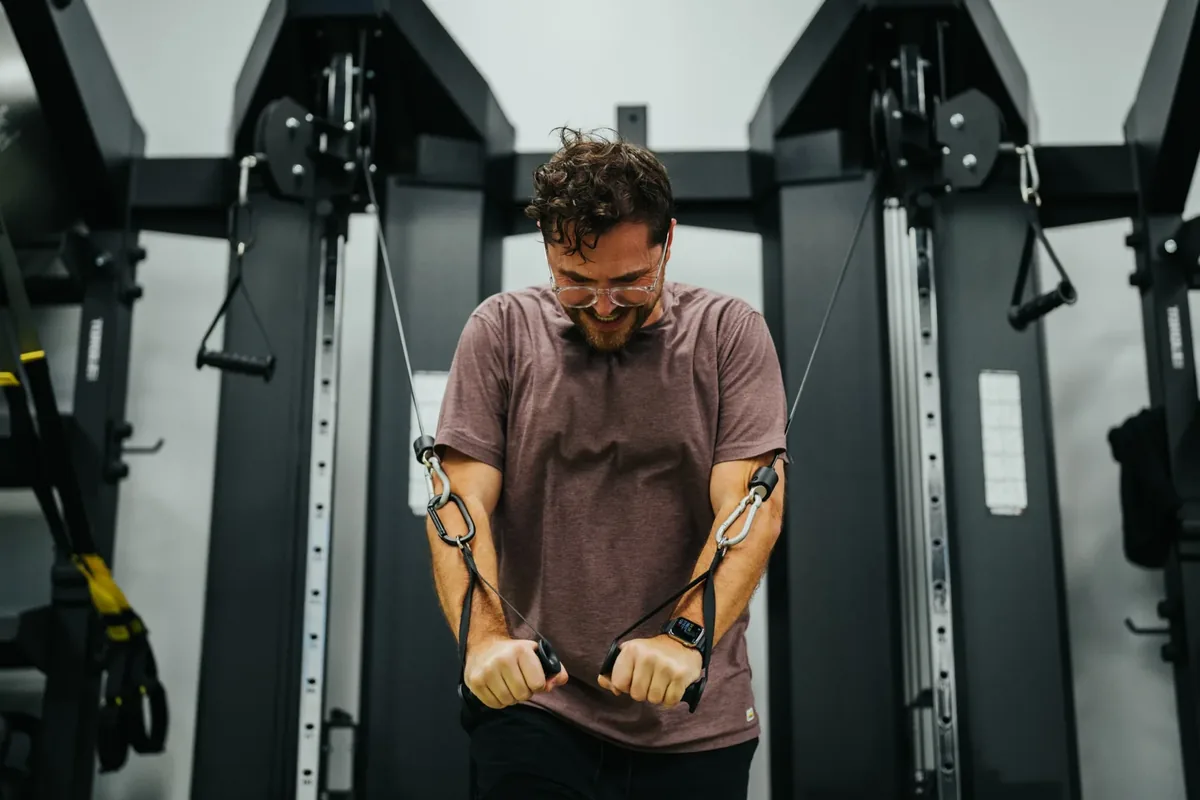
Because supervised sessions are far more likely to actually happen. A 2023 analysis in the International Journal of Behavioral Nutrition and Physical Activity found that compliance with supervised HIIT averaged 89.4%, while unsupervised HIIT dropped to 63%. The same analysis found no adherence advantage for HIIT over moderate continuous training. The gap was about supervision, not intervals.
A coach is also what makes intensity safer to pursue. Sessions at Alloy Personal Training Middleton are capped at six members and coach-led start to finish, about 50 minutes each. Every exercise is progressed or modified for the member doing it, so someone in week one and someone in month six can both work hard without doing the same thing. There are no competitions, no whiteboard leaderboards, and no pushing through pain. The effort is real, it is planned, and your coach watches every rep.
Progress is tracked rather than guessed. Your first InBody body composition scan happens at your first session and repeats monthly, measuring muscle mass, body fat percentage, and water balance, so you can see whether your muscle is holding steady or climbing. For a side-by-side look, read our comparison of small group training and group fitness classes.
How do you start?
Start with the base, and let a coach set the pace. Get Your Complimentary VIP Session at our studio at 8333 Greenway Blvd, Suite 140, just off the Beltline on Middleton's west side and an easy drive from Verona, Fitchburg, Cross Plains, and Waunakee. You will get a strength and mobility assessment, an InBody scan, a goal-setting conversation, a customized fitness plan, and a small group training preview, with no pressure and no obligation. If you want to see the format first, read how our small group personal training works.