
One-on-one personal training gives you a coach's full attention for the whole hour. Small group personal training gives you the same individualized program and close coaching, in a room where never more than 6 members share the floor, usually at a lower per-session cost. For most adults over 40 who want to get stronger and stay consistent, small group is the better fit. One-on-one wins in a few specific situations.
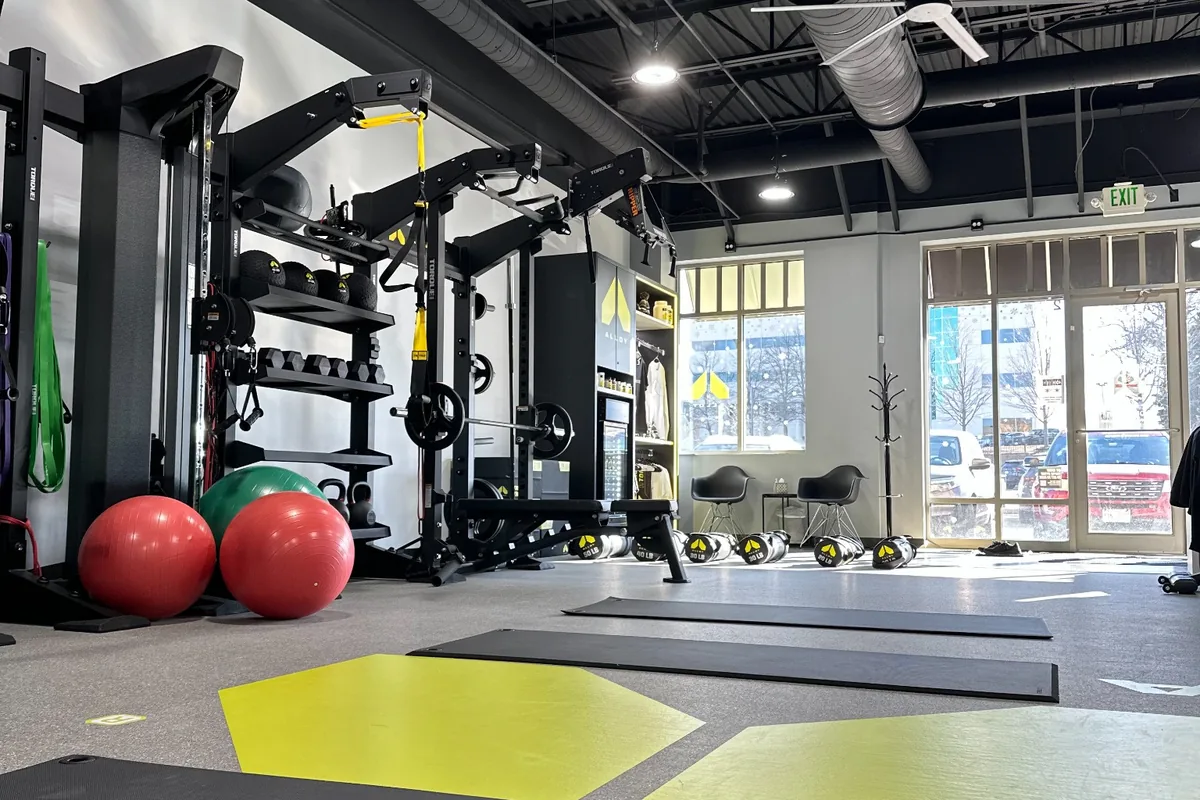
Key takeaway: The question is not which format is "better." It is which one you will keep showing up to, and how much attention your situation truly needs.
What do both formats have in common?
Done well, both start from an assessment, follow a written program, and progress on purpose. Both put a qualified coach beside you. That shared core is what separates personal training from a membership, and it matters. Researchers who studied health club members on monthly contracts found they averaged roughly four visits a month while paying as if they would go far more often. Access alone rarely changes much. A plan and a person expecting you usually do.
When is one-on-one training the right call?
- You have a very specific goal, like a competition or a sport with unusual demands.
- You are coming back from an injury and your physical therapist wants close, constant supervision for a while.
- Your schedule is truly unpredictable and you need sessions at odd hours.
- You strongly prefer privacy and know a group setting would keep you home.
In those cases, the undivided hour is worth the higher price.
When does small group personal training fit better?
For most people we meet in Middleton, Verona, and Fitchburg, the goal is broad: get stronger, move better, feel capable for the next 30 years. That goal does not need a coach staring at you for 60 straight minutes. It needs a good program, frequent form checks, steady progression, and a reason to show up.
Small group delivers those:
- Your own program. At Alloy, every member trains from an individualized plan, even though the room is shared.
- Close coaching. Because never more than 6 members share the floor, your coach watches every set and adjusts loads in real time.
- Built-in accountability. You train at the same times with the same faces. People notice when you miss.
- A more sustainable cost. Sharing the coach's time usually lowers the per-session price, which makes two or three sessions a week realistic.
Coaching still matters in a group. In one study, people who trained under direct supervision made larger strength gains than those following the same plan alone. A small group keeps that supervision. A big class or a solo routine usually does not.
How do you choose?
Ask yourself three questions:
- Do I need a coach's eyes on every single rep right now? If a clinician says yes, start one-on-one.
- Will I show up two or three times a week for the next year? Pick the format you can afford to keep, at that frequency.
- Do I train better alone or alongside people? Many members are surprised how much a small, friendly group helps.
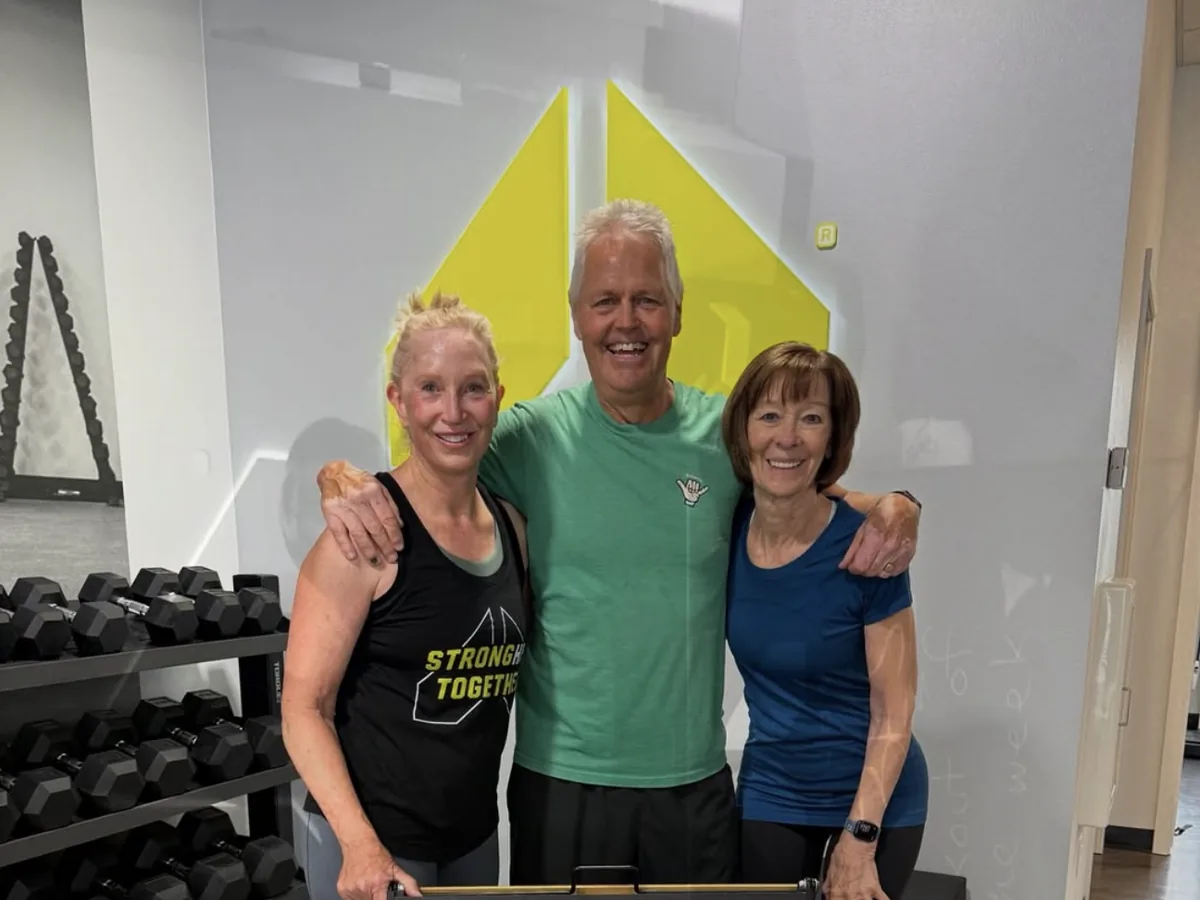
Find us at 8333 Greenway Blvd Ste 140, minutes off the Beltline. Get Your Complimentary VIP Session.